
Outdoor Court Lighting: Planning for Basketball and Pickleball
Outdoor court lighting involves more than choosing bright fixtures. Eric Meyer explains how court layout, pole placement, and nearby properties shape your lighting plan.
Outdoor court lighting can extend the hours available for basketball, pickleball, and other games. However, a useful plan involves more than choosing a bright fixture. Light needs to reach the playing area while accounting for poles, power, neighboring properties, and surrounding features.
Eric Meyer helps clients coordinate those details with the court layout. Whether the court serves a home, school, church, or community facility, early planning helps define the installation scope. This guide explains the questions to discuss before ordering lighting equipment.
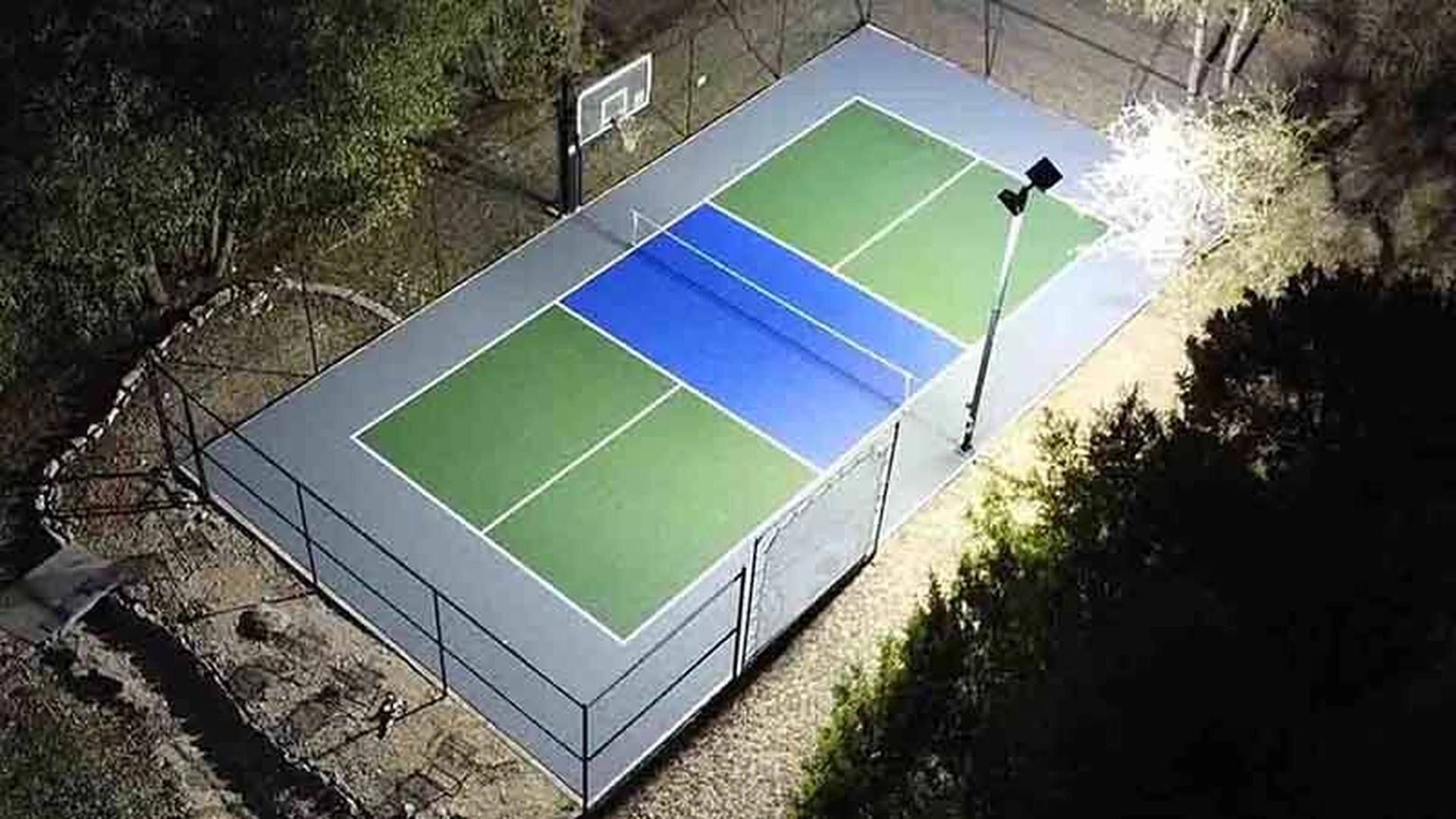
Plan Outdoor Court Lighting Around the Games
First, identify the main sports and expected playing hours. Basketball and pickleball involve different movements and viewing directions. Likewise, casual family play and organized evening programs may call for different lighting arrangements.
Next, define the areas the lighting needs to serve. Painted boundaries cover only part of the site. People may also need light along entrances, paths, or nearby waiting areas. However, those spaces do not necessarily need the same lighting as the court.
Also, tell Eric about future additions or changes in use. He can then coordinate the court layout with the lighting discussion and the other people involved in your project.
Look Beyond Fixture Brightness
A fixture’s wattage or lumen output alone cannot describe how well it will light a court. Light distribution, aiming, mounting position, and site layout also matter. Therefore, compare the proposed lighting arrangement rather than one number on a product listing.
Ask how the design will distribute light across the playing surface. Where might shadows or glare occur? The lighting designer or supplier should explain the proposed fixture locations and the assumptions behind the plan.
For organized play, share any applicable facility or competition requirements with the project team. A residential arrangement may not suit a commercial facility. Outdoor court lighting should reflect the actual sports and intended use.
Coordinate Poles With the Court Layout
Pole locations affect court edges, fencing, access routes, and nearby features. As a result, they need attention before the main construction work begins. Choosing a location solely to simplify wiring may create conflicts elsewhere in the layout.
Eric’s CAD layout assistance helps show how the court relates to equipment and other fixed features. He can coordinate those details with your architect, builder, or lighting provider. The final installation plan also needs suitable mounting and foundation details.
In addition, consider future access for inspection and maintenance. Trees, buildings, and narrow routes around the court may affect that work. Discuss those conditions while the project team can still adjust the layout.
Address Glare and Light Spill Early
Outdoor court lighting should direct light toward the areas that need it. Light spilling onto neighboring properties or shining into a player’s view can create concerns. Therefore, discuss fixture aiming, shielding, and surrounding sightlines during planning.
For broader guidance, see DarkSky International’s responsible outdoor lighting principles. These principles emphasize purposeful lighting, careful direction, and controls that limit unnecessary use. The court lighting design still needs to account for the sport and site.
Also, identify nearby homes and other areas that could be affected by the proposed lighting. Reviewing those relationships before installation gives the project team a chance to address concerns in the design.
Confirm Power Supply and Electrical Responsibilities
Lighting equipment needs a suitable power supply and electrical installation plan. The distance to the supply, wiring routes, controls, and site conditions can all affect the work. However, electrical work may require a separate contract from the court installation.
First, confirm who handles electrical design, wiring, connections, and any necessary approvals. Eric can coordinate court and pole locations with the electrical professional. Clear responsibilities help define what each contractor’s quote includes.
If you are considering solar lighting, ask the supplier to review your playing schedule and site conditions. Battery capacity, available sunlight, and expected runtime all matter. A solar label alone does not establish whether the system will meet your needs.
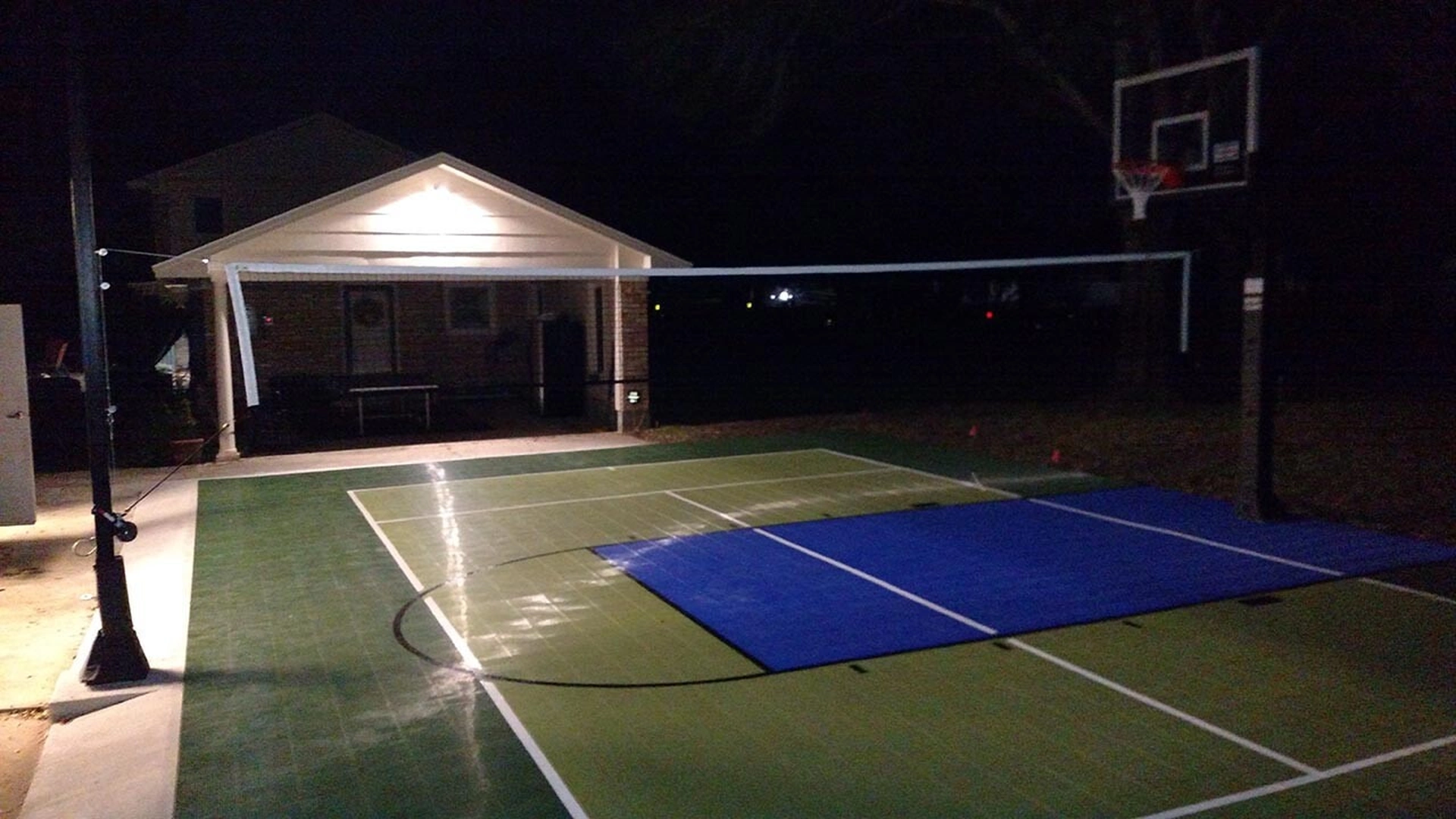
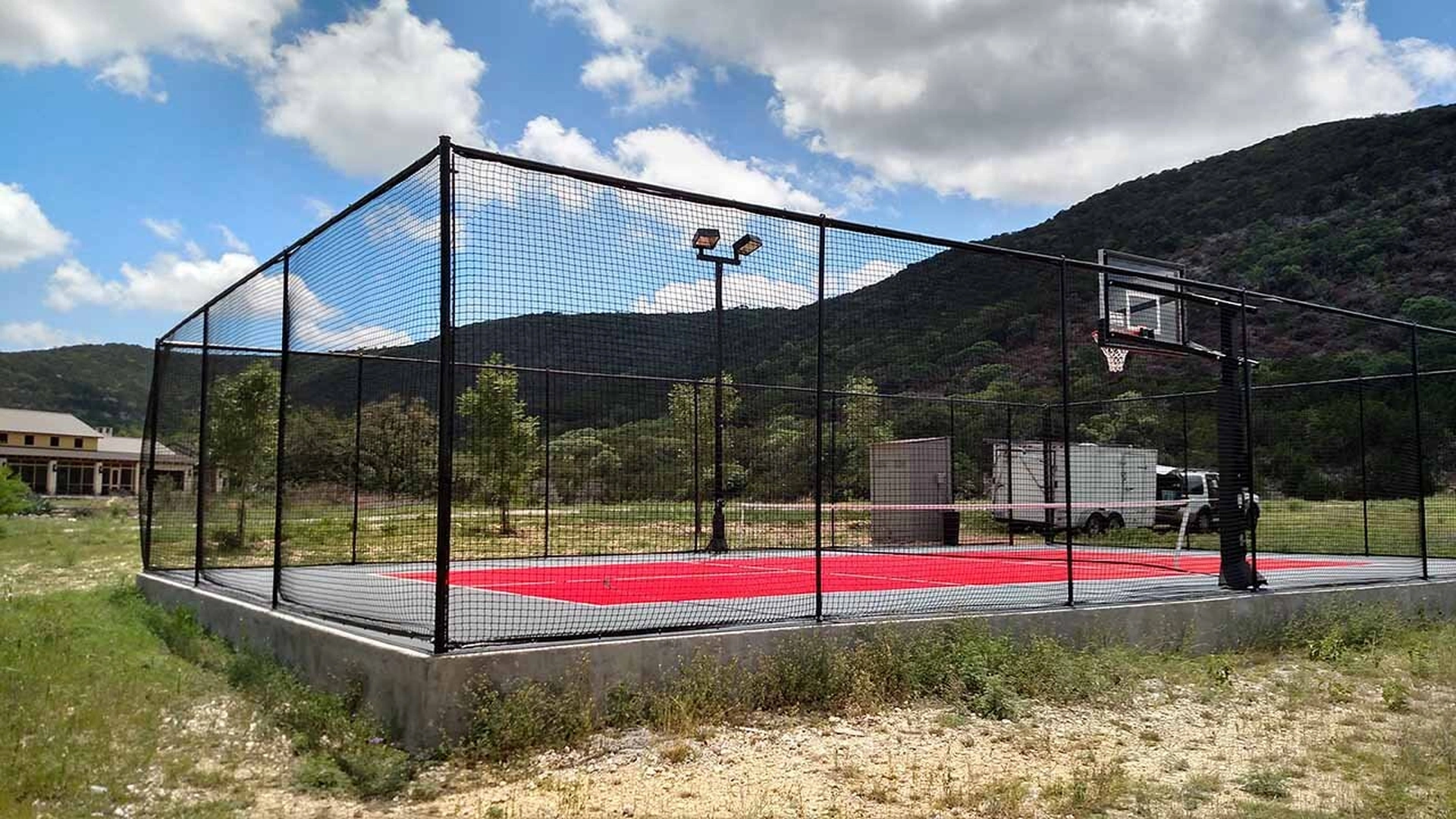
Plan Controls, Playing Hours, and Maintenance
Consider how people will switch the lights on and off. Timers or other controls can help match lighting hours to court use. For a shared facility, also decide who manages the schedule and who can adjust it.
Local requirements or community rules may affect operating hours, pole placement, and lighting design. Therefore, ask the responsible project team to check what applies before ordering equipment. Include any relevant restrictions in the planning discussion.
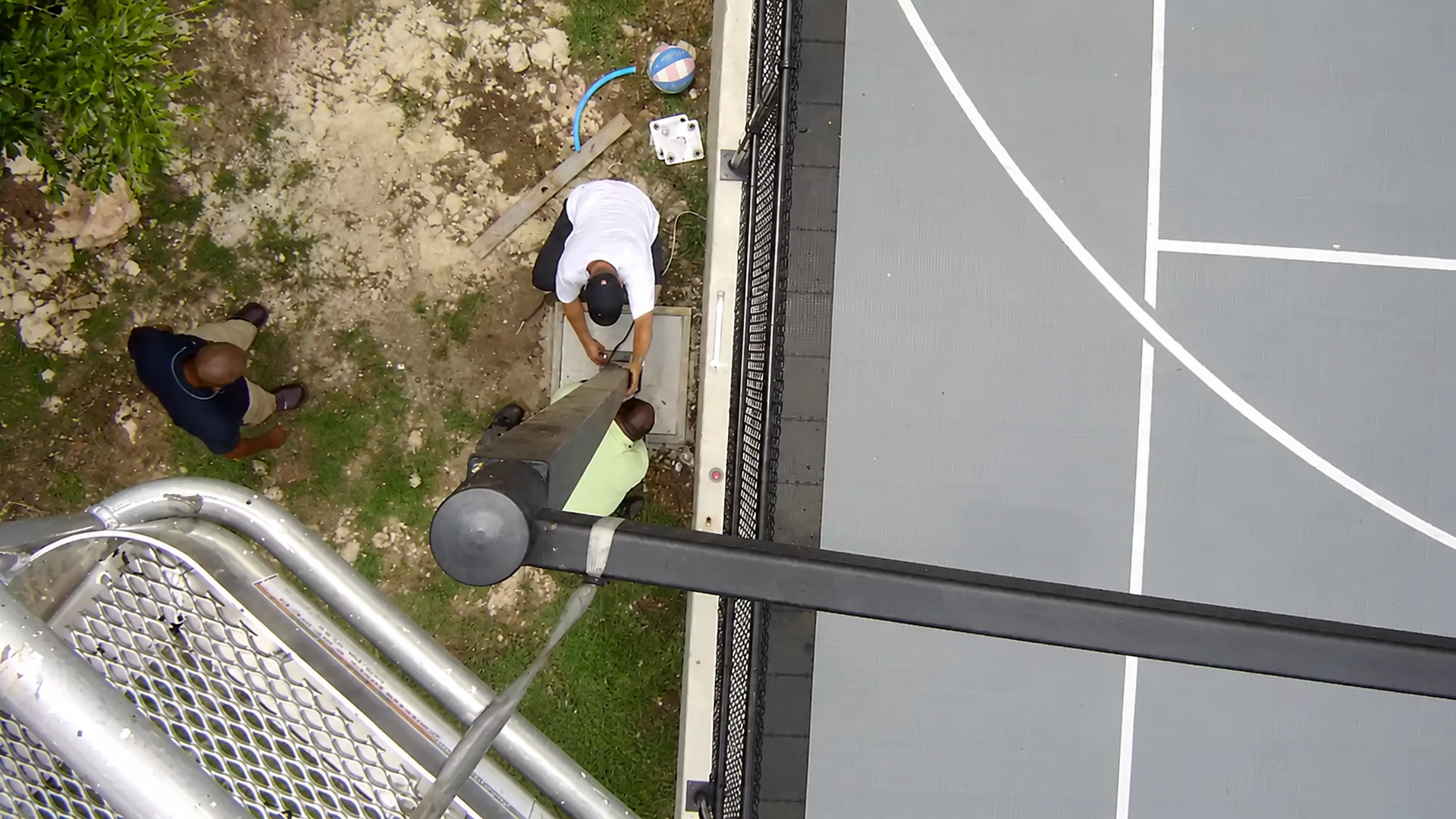
Outdoor court lighting also needs a maintenance plan. Ask how crews will reach fixtures for cleaning, inspection, adjustment, and repairs. Then, confirm that the proposed arrangement allows practical service access.
Finally, retain records of fixture locations, controls, and agreed settings. Those details give staff a reference when service is needed. Also, identify who will respond to concerns raised by players or neighbors.
Include Outdoor Court Lighting in the Complete Budget
Fixtures represent only part of the installed cost. Poles, foundations, freight, installation, wiring, and controls may also contribute to the total. As a result, comparing fixture prices alone can leave out substantial parts of the project.
Our outdoor game court cost guide explains the wider construction scope. For a new court, coordinate lighting with fencing and the multi-sport layout. These features often occupy the same limited space around the playing area.
To prepare for a lighting discussion, gather the site location, court dimensions, preferred sports, and expected playing hours. Include photos showing nearby homes, trees, buildings, and access routes. Eric can use those details to coordinate outdoor court lighting with the rest of your court project.