
Pickleball Court Construction: What to Know Before You Build
Pickleball court construction starts with your property and how you plan to play. Eric Meyer explains layout, site preparation, surfacing, and equipment choices.
Pickleball court construction starts with the property and the people who will use it. A family court, a school court, and a busy public space do not share every need. However, all three benefit from a clear plan for space, surface, equipment, and access.
Eric Meyer helps clients connect those choices before construction begins. His CAD layout assistance can show how the court relates to fencing, lights, nearby buildings, and other sports. The goal is a useful court scope that your project team can review and price.
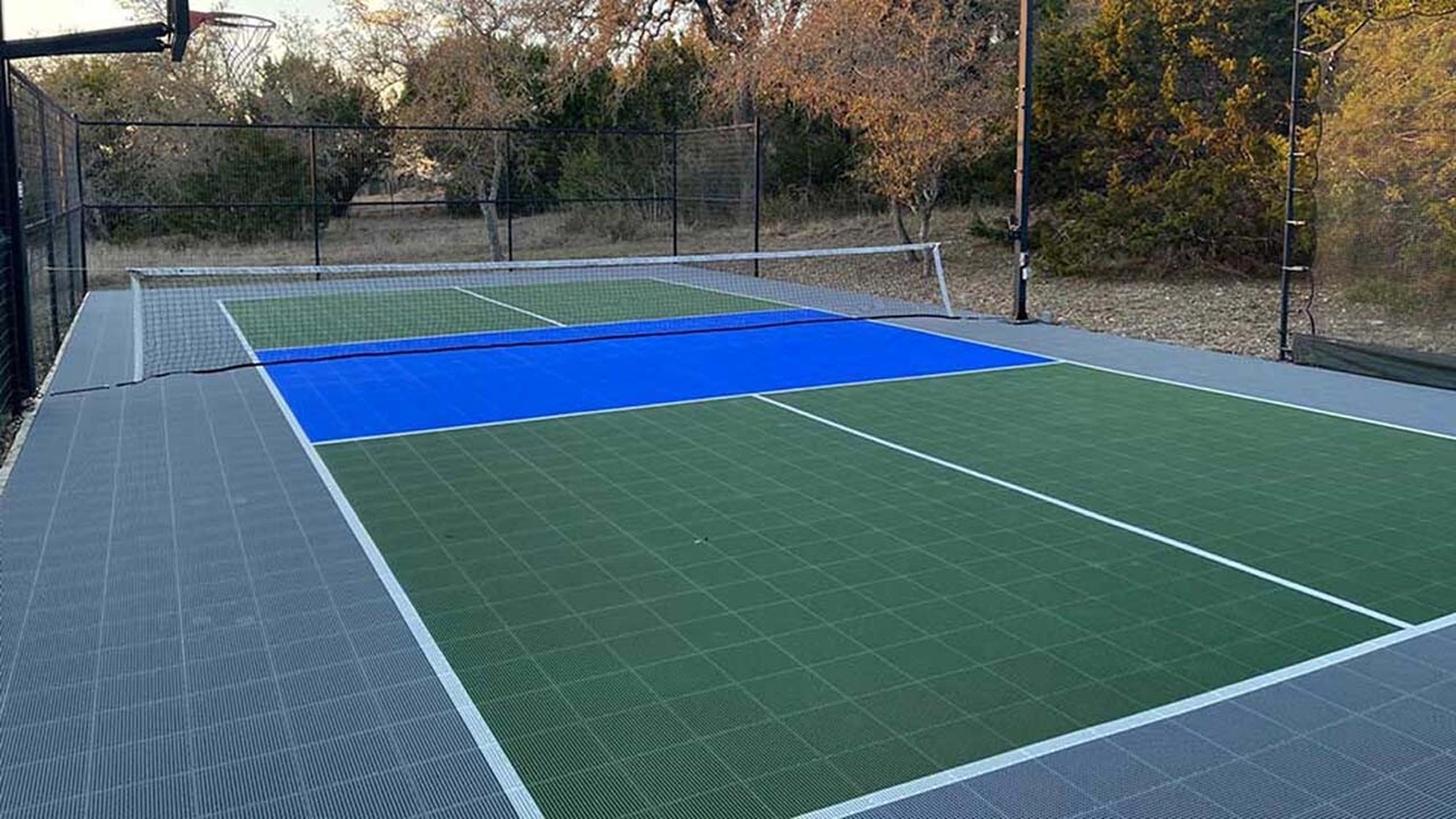
Start Pickleball Court Construction With the Planned use
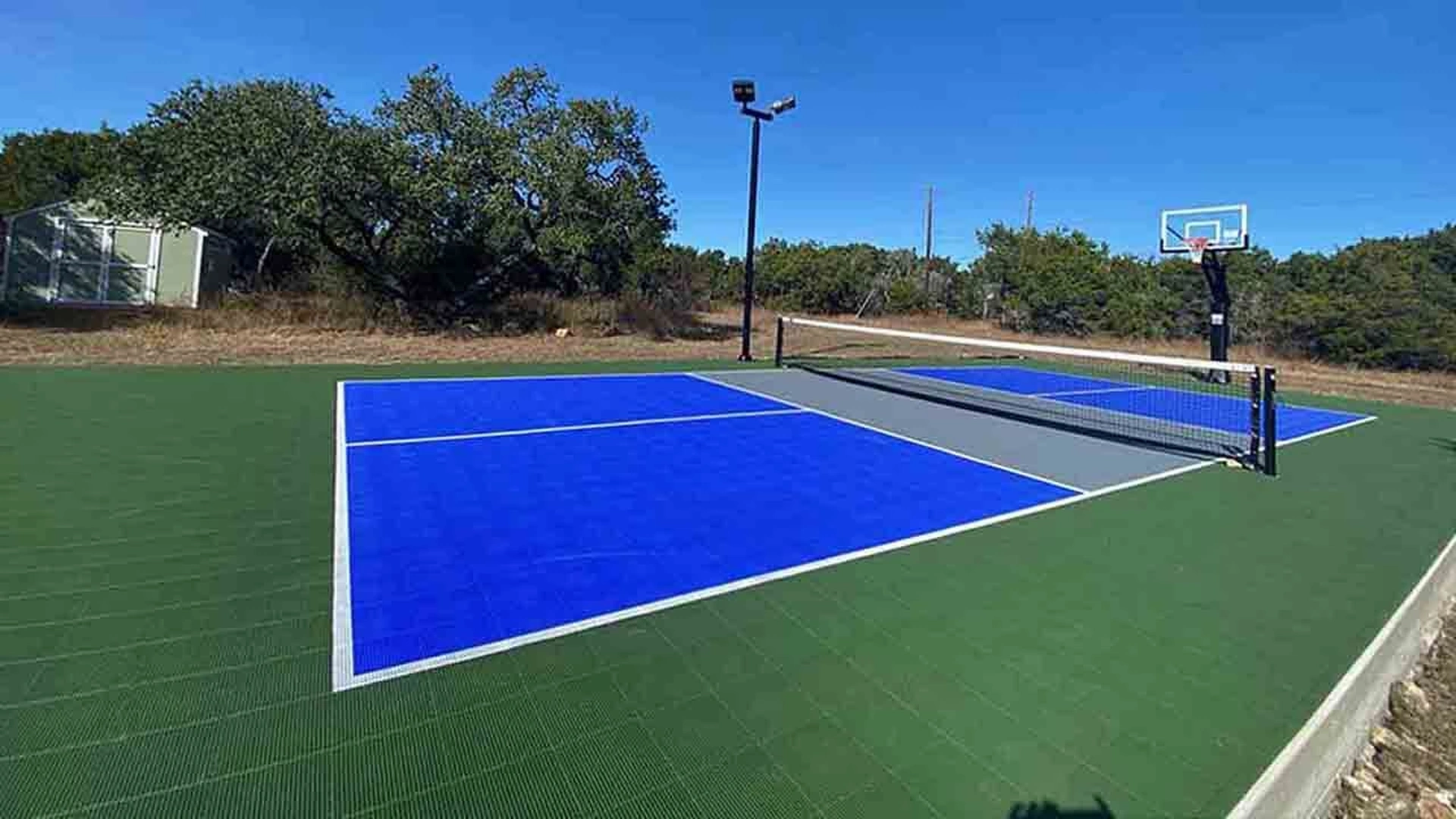
First, decide whether the court will serve pickleball alone. A dedicated court can keep its net in place and its lines simple. A shared court may also support basketball or other net games. In that case, equipment spots and changeover become part of the design discussion.
Think about the number of players and how often the court will run. For example, a community space may need several courts, seating, and places to wait. Meanwhile, a home court may need a layout that works within a smaller property.
Tell Eric which activities take priority. Then, he can help assess how much of the usable area belongs to the court and how much needs to remain around it.
Playing Lines Are Only Part of the Space
The marked pickleball playing area measures 20 by 44 feet. However, those lines do not describe the full court site. Players also need space beyond the lines. Fencing, gates, posts, and nearby features must sit within a wider plan.
For current playing rules, refer to USA Pickleball’s official rules resources. Eric can discuss the overall layout in relation to your planned use. Do not assume that fitting the painted rectangle means the property can support the finished court.
Our game court dimensions guide explains the difference between playing lines and the complete space. It is also a useful starting point when you have an architect or builder involved.
Review the Site Before Choosing the Finish
Next, think about slope, access, existing features, and how water moves across the property. A steep site may need more preparation than a flat one. Likewise, limited access can change how crews bring in materials and equipment.
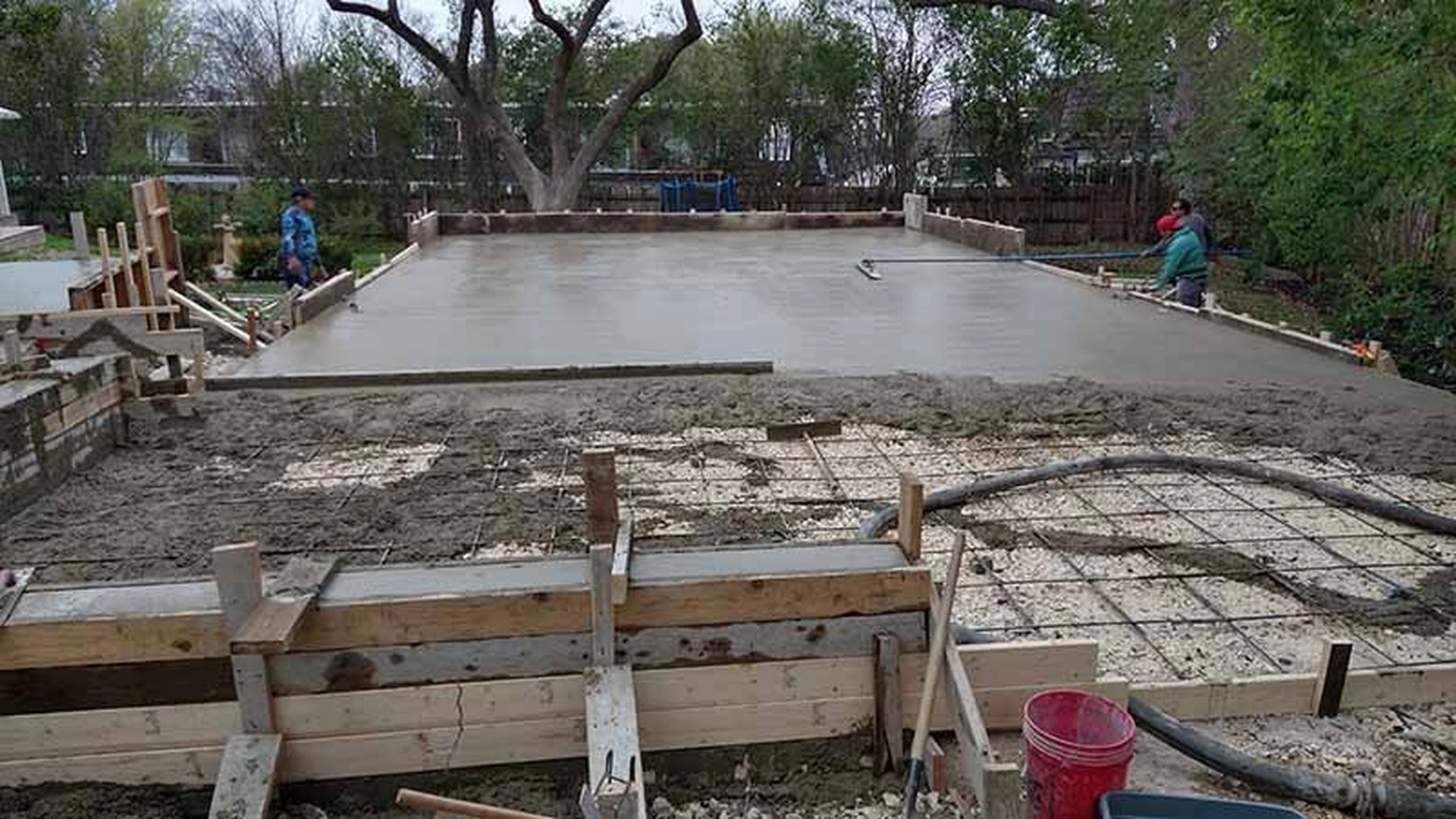
Pickleball court construction may involve excavation, base preparation, concrete work, and equipment foundations. However, the exact work depends on the site and the planned design. A closer review helps note those needs before the estimate turns into a construction schedule.
Also, note nearby irrigation, trees, utilities, and landscaping. These features may affect the layout or the work route. If other contractors are involved, clear responsibilities help keep the project organized.
Compare Surface Options for the Actual Court
Surface choice should follow the way you expect to use the court. Acrylic coatings and modular sports flooring have different fitting and care needs. Ask how each option relates to the base, expected use, and long-term upkeep.
For a shared court, discuss the main sport first. A surface choice should make sense for that activity as well as the other games. Eric can explain the usable options without treating one material as the answer for every property.
In addition, review the colors and line plan. Simple color choices can help players read the court. However, appearance is only one part of the decision. The selected surface must suit the overall project conditions.
Fixed Nets or a Shared-Court Setup?
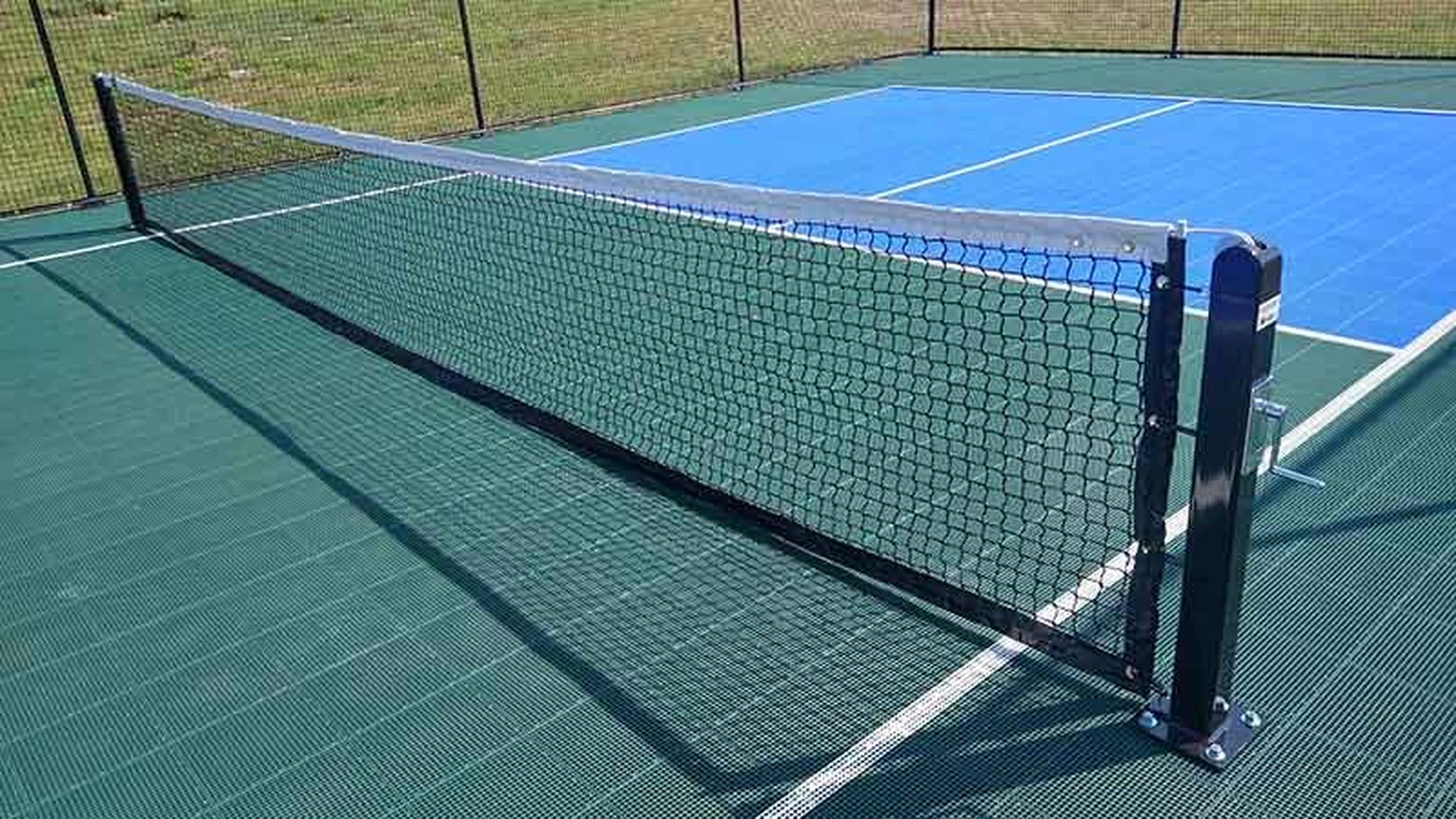
A fixed net system can suit a dedicated court that stays ready for pickleball. On a shared court, a removable or portable arrangement may make more sense. Either way, the plan needs to deal with how the equipment works and where it goes.
Post spots and foundations deserve early attention. So do sleeves, covers, padding where needed, and storage for equipment that leaves the court. These details connect the layout with daily use.
For basketball and pickleball together, read our multi-sport court design guide. Pickleball court construction becomes more useful when changing sports does not create a new problem every time.
Plan Fencing, Gates, and Lighting Together
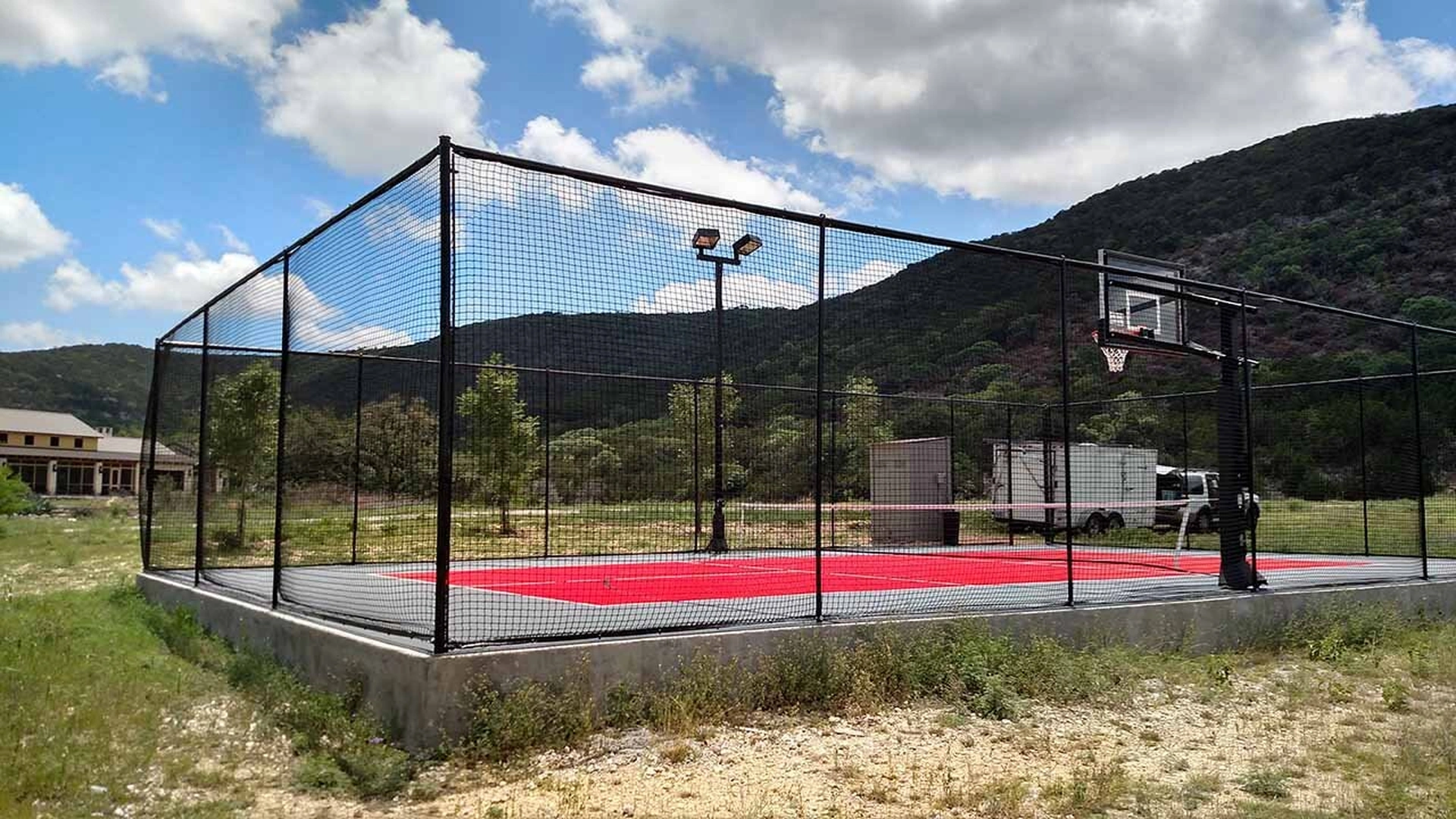
Fencing can help contain balls and define the activity area. Gates can also help manage access. However, fence height, material, and location should reflect the property and the people using the court. Our game court fencing guide covers those decisions.
If evening play matters, discuss lighting before the main construction work. Pole spots, power supply, foundations, and electrical planning all belong in the scope. In addition, think about neighbors, glare, and any local restrictions that the project team needs to check.
At a school or community space, think beyond the players. People arriving, waiting, or watching also need a workable route around the site. That wider view helps connect the court with its surroundings.
Before ordering equipment, check how it will enter the site and where it will wait during the work. Also, note any need to keep nearby paths or programs open. Those details help the team plan deliveries and access around the court rather than deal with them at the last moment.
What Affects Pickleball Court Construction Cost?
Size, site conditions, concrete, surface, equipment, fencing, and lighting all affect the budget. Therefore, a surface-only price cannot tell you the cost of a complete court. Ask which tasks the quote includes and which remain with other trades.
For a broader budget discussion, use our outdoor game court cost guide. Avoid comparing two estimates until you know that they cover the same work.
To begin your own pickleball court construction discussion, gather the site location, photos, rough usable space, and your preferred use. Share existing drawings when you have them. Eric can then help define the layout and review the court details with your architect or builder.