
How Much Does a Backyard Game Court Cost?
What goes into backyard game court cost? Eric Meyer explains the sitework, concrete, surfacing, equipment, fencing, and lighting behind a complete court quote.
Backyard game court cost depends on your available space, site conditions, and the work needed to build the finished court. A flat, accessible yard presents a different job from a steep site with tight access. Likewise, a basketball half court needs a different equipment plan from a shared basketball and pickleball court.
So, how much should you budget? There is no single installed price that fits every property. Eric Meyer starts with your preferred sports and a review of the site. From there, he helps define the layout and construction scope before preparing a custom quote.
This guide explains the main costs involved in a home court project. It also shows how early decisions about size, sitework, and equipment shape your budget. For broader facility planning, see our outdoor game court cost guide.
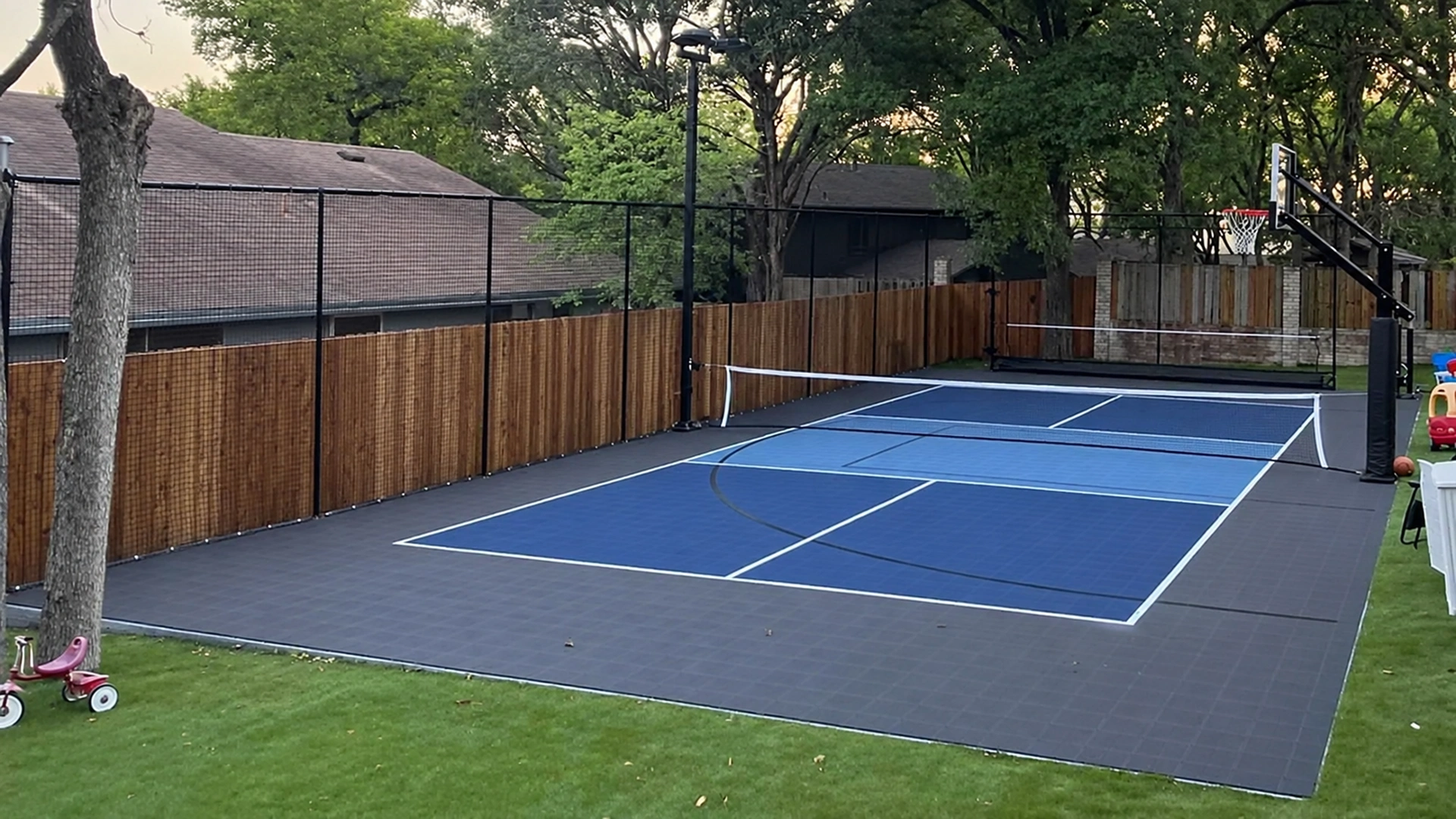
What Goes Into Backyard Game Court Cost?
A finished court involves more than its playing surface. In fact, work below and around the court can account for a large part of the budget. Depending on your project, the quote may cover:
- CAD layout assistance and site review.
- Clearing, grading, base preparation, and drainage planning.
- Concrete construction and post foundations.
- Court surfacing, colors, and game lines.
- Basketball goals, net posts, nets, and padding.
- Fencing, gates, lighting, and electrical work.
- Landscape and irrigation repairs after construction.
Not every project needs every item. However, a useful estimate identifies the included work and any separate costs. That makes it easier to compare complete projects instead of two very different surface prices.
Choose the Size Around Your Family’s Sports
First, decide which sports matter most. A basketball practice area, a pickleball court, and a multi-sport space each need a different layout. More area generally means more base work, concrete, surfacing, and fencing. As a result, court size affects several parts of the budget at once.
However, painted playing lines do not define the whole construction area. The plan also needs space around the games and room for posts, gates, and access. Our game court dimensions guide explains these planning choices.
For pickleball playing rules, see USA Pickleball. Eric uses CAD to help clients explore how sports and equipment can fit within the available yard. If an architect or home builder is involved, he can coordinate the court layout with that team.
Sitework: The Tim Duncan Home Court Example
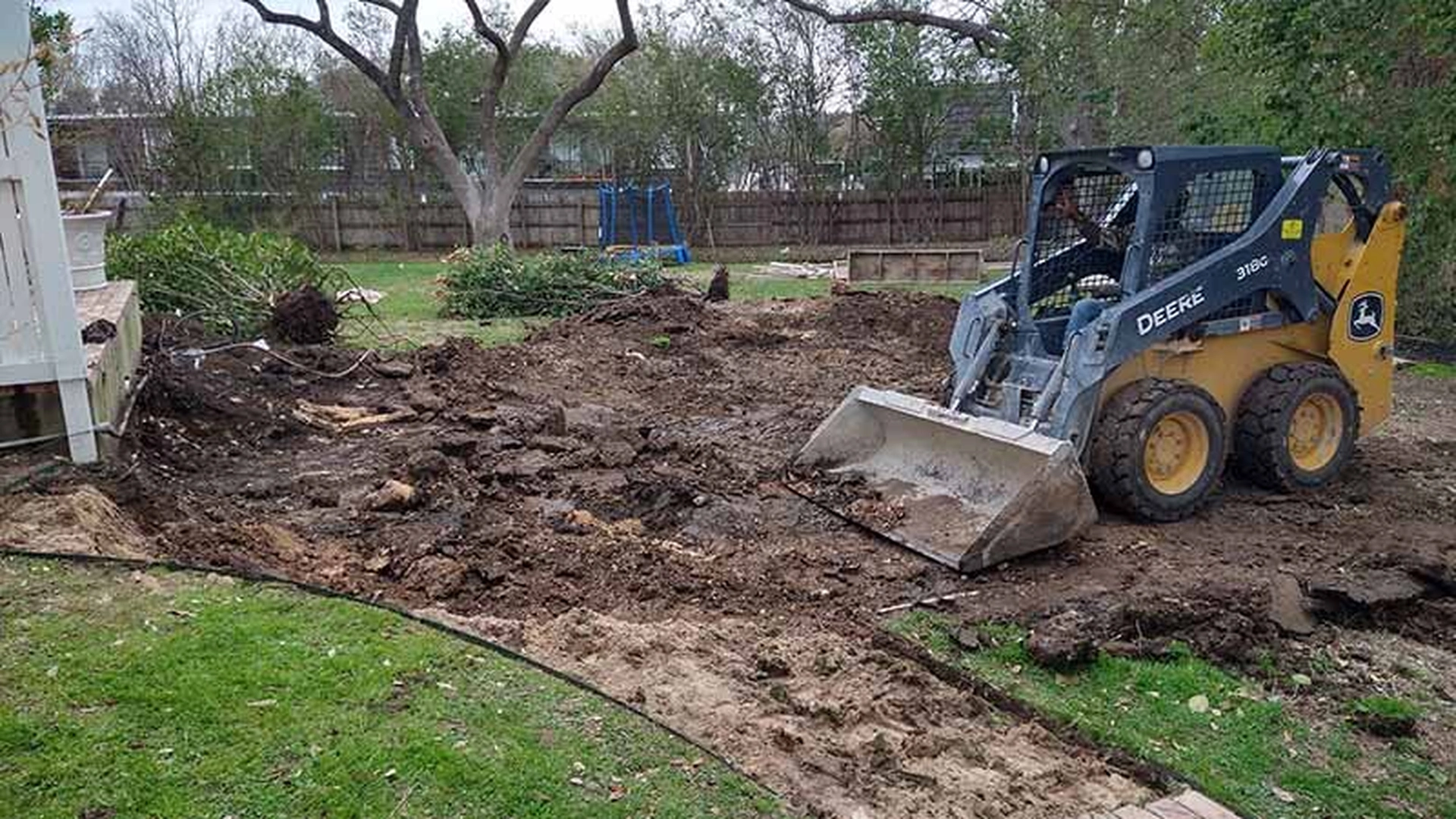
Next, look at the ground itself. A sloped yard may need excavation, imported base material, or other work to create the court area. Therefore, two backyard courts with the same dimensions can have different preparation costs.
Eric’s work on Tim Duncan’s home court provides a specific example. The site had approximately eight feet of slope. Preparing it required hundreds of cubic yards of base material that a flat site would not have needed.
That project shows why a photograph or court size alone cannot establish your budget. The amount of slope and the work needed to prepare the ground both matter. Your yard needs its own review before Eric can define the sitework scope.
Concrete, Drainage, and Access to Your Yard
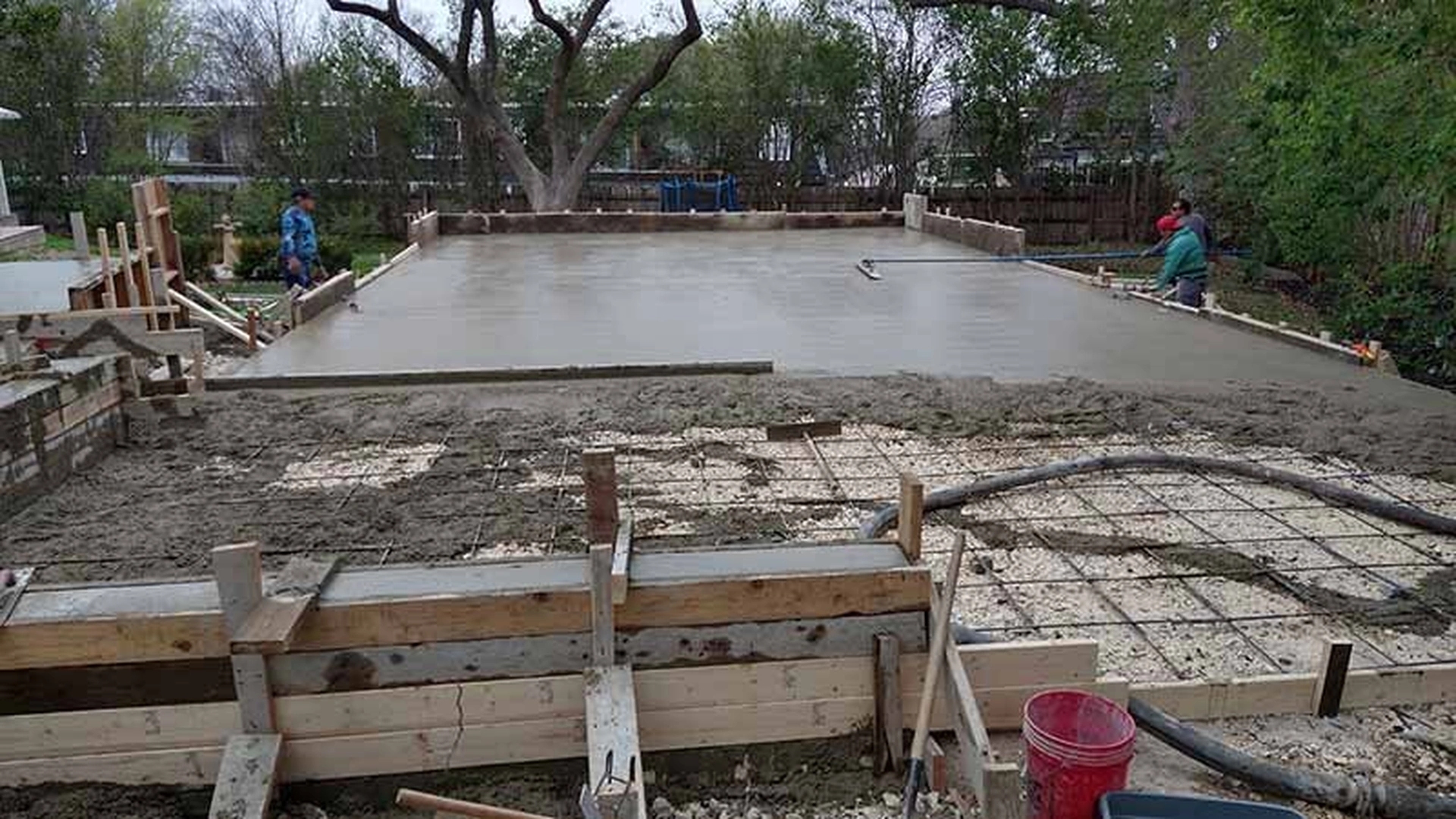
Concrete is a major part of many backyard court budgets. Its scope depends on the ground conditions and selected slab design. Reinforcement, foundations, and any required engineering belong in that discussion. In addition, the plan should address how water moves around the finished court.
Access matters as well. Can trucks reach the work area, or must crews move materials through a narrow side yard? Will the concrete pour need a pump? These details affect equipment, labor, and scheduling.
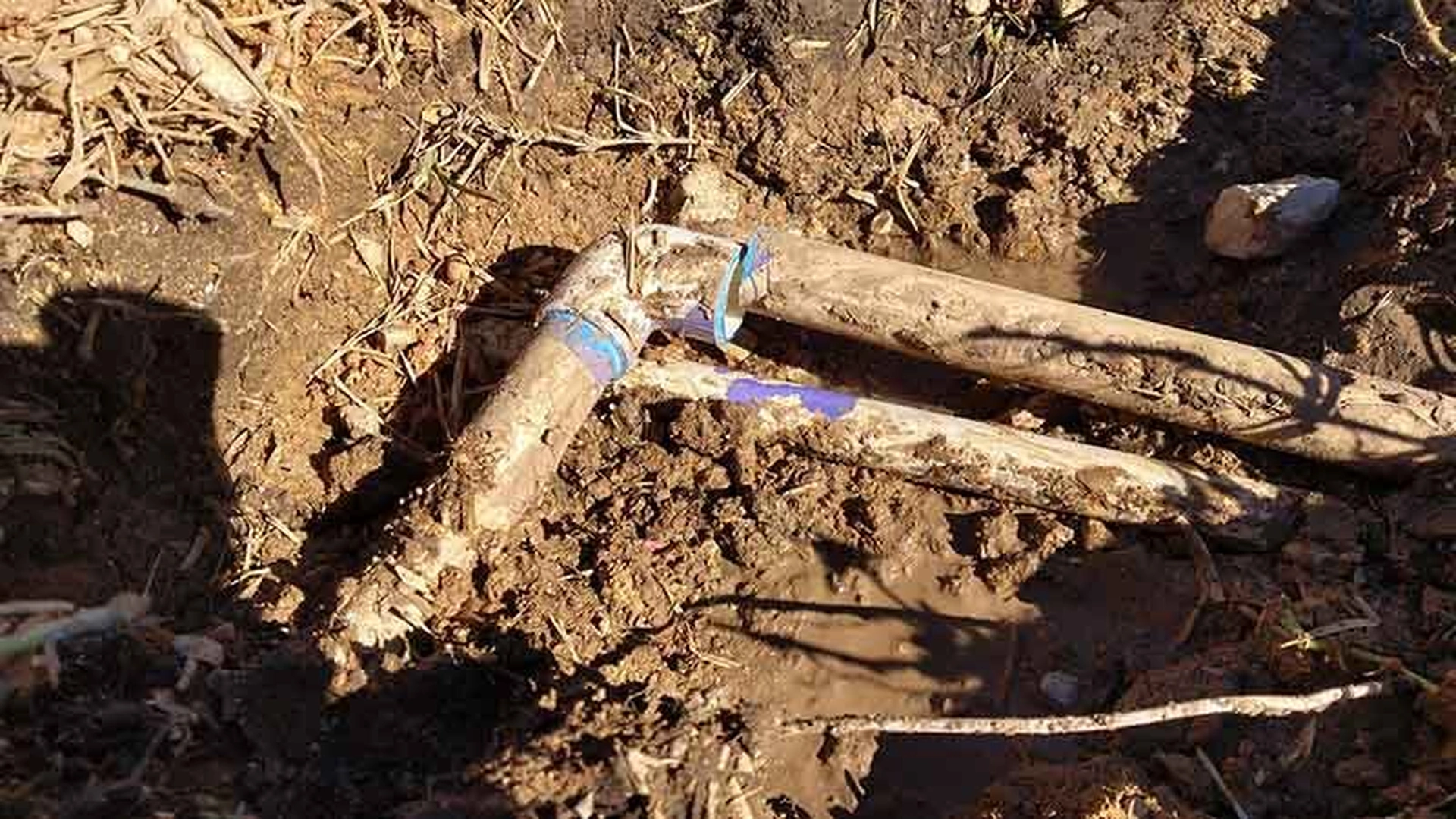
Existing trees, irrigation, utilities, and nearby structures can also shape the work. For this reason, a useful cost discussion starts with your property rather than a square-foot surfacing price. A site review helps Eric coordinate the court with the surrounding yard.
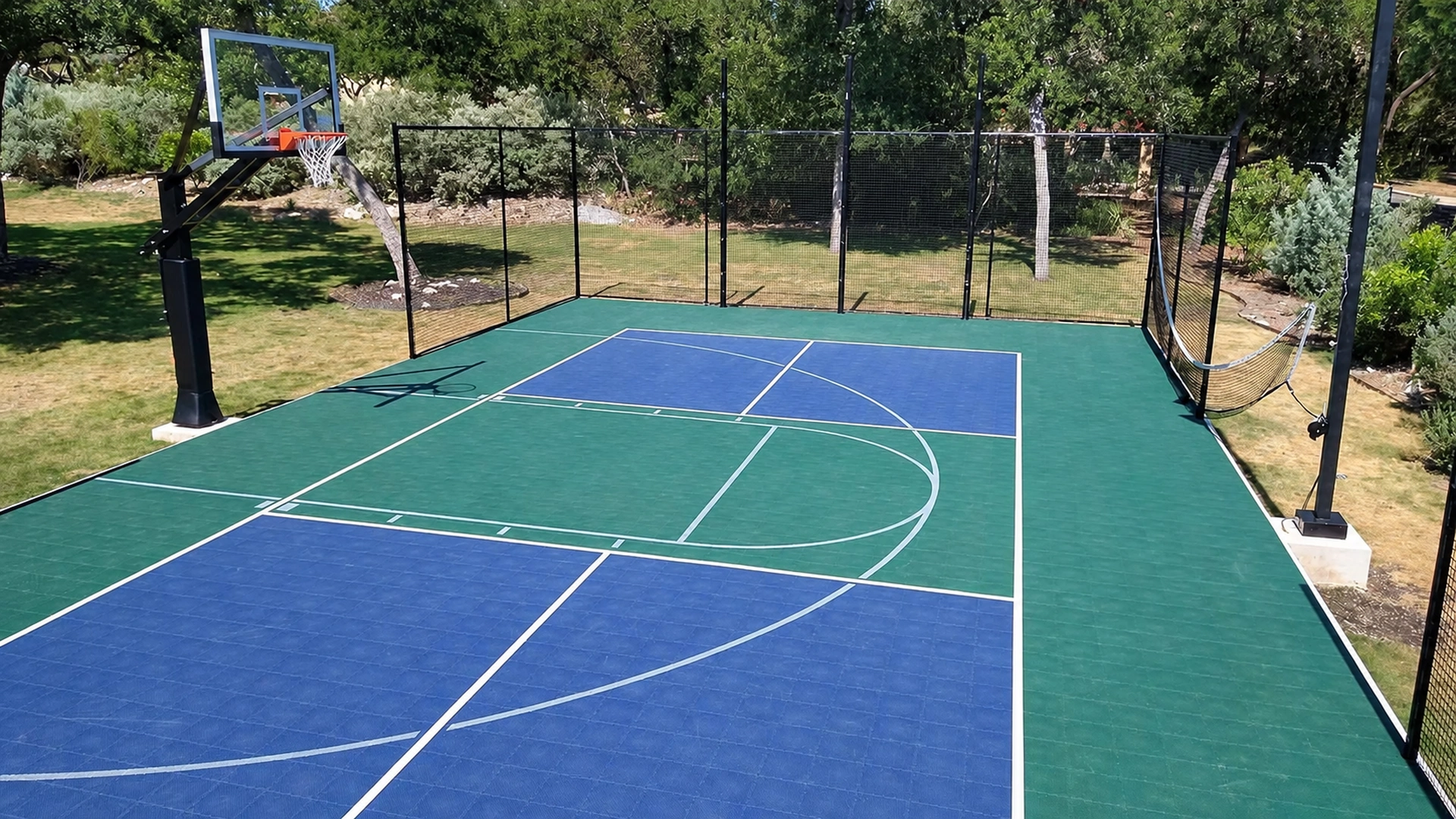
Surfacing, Colors, and Game Lines
The playing surface is another key choice. Acrylic coatings and modular sports flooring involve different installation and maintenance needs. Your main sports, site conditions, and upkeep plans all matter when comparing options.
For example, a dedicated pickleball court has different priorities from a family space that combines basketball and several net games. Eric can explain suitable options for your project. Then, you can consider both the initial installation and future maintenance.
Colors, borders, and game lines also belong in the scope. A simple basketball layout differs from one with several shared games or custom artwork. Therefore, decide which sports your family will use before adding more lines.
Basketball Goals and Multi-Sport Nets
Equipment choices influence both the purchase budget and installation work. Basketball goals vary in backboard size, height adjustment, post design, and offset. Their foundations and locations need to match the equipment and court layout. Also, discuss suitable post padding.
Net systems need the same early attention. A dedicated pickleball court may use fixed posts, while a shared court may need removable or adjustable equipment. In either case, consider post locations, storage, and changeover between games.
Likewise, any net attachments need to suit the selected posts and equipment. Eric can help you coordinate those choices with your backyard layout. Planning the equipment together helps avoid conflicts between games.
Allow for Fencing, Gates, and Lighting
Fencing helps contain balls and reduce trips into nearby yards or landscaping. Gates can also help manage access. However, fence height and material should reflect your sports, property, and intended use.
Fence length, height, posts, and gates all affect price. Netting and chain-link fencing involve different materials and construction needs. If you want privacy screens or windscreens, mention them early. Those additions can change fence loads and support requirements.
Similarly, court lighting needs more than a fixture choice. Pole locations, foundations, power supply, and electrical work belong in the budget. In addition, the lighting plan should consider glare, neighbors, and applicable local requirements. Confirm whether electrical work is included or needs a separate contract.
Landscape and Irrigation Repairs
Construction can disturb more than the court footprint. Crews may need a route across the yard for equipment and materials. As a result, grass, planting beds, and irrigation may need repairs after the main work ends.
Discuss these areas before construction starts. For example, identify sprinkler lines near the planned excavation and agree on who handles repairs. Your existing landscape contractor may be best placed to restore planting and irrigation. Either way, include that work in the overall budget.
A complete backyard game court cost discussion also covers freight, installation, and work by other trades. Ask about exclusions, site assumptions, and changes that could affect the price. Clear responsibilities make estimates easier to compare.
How Can You Manage Backyard Game Court Cost?
Start with a short list of priorities. Then, separate the features your family needs from optional extras. This gives Eric a practical basis for discussing size, surfacing, and equipment.
- Choose the main sport first. Build the layout around how your family expects to use the court most often.
- Compare complete scopes. Check whether estimates include sitework, concrete, equipment, freight, and installation.
- Discuss future additions now. Even if lighting comes later, its planned location may affect construction today.
- Plan for upkeep. Ask about cleaning, maintenance, and future surfacing work.
- Keep access in mind. Coordinate with your home builder or landscape contractor when other work is underway.
Above all, consider the complete installed project when comparing prices. A low surface price does not explain what your yard needs beneath and around the court.
What Eric Needs to Prepare Your Backyard Court Quote
To begin, gather your property location, site photos, and an approximate measurement of the available space. Include the sports your family wants and any known slope or access concerns. Also, share drawings if an architect or builder is involved.
Eric can then review your priorities and site requirements to develop the construction scope. His CAD layout assistance helps connect the playing area with equipment and surrounding features. Meanwhile, coordination with your architect or builder helps fit the court into the wider home project.
Explore our outdoor game court projects for completed examples. For more planning answers, return to Ask Eric. Your backyard game court cost will reflect the work your property and court plan require.